
New - 15 Mins Ago







Everything downstream runs off that answer — who has authority to sign a deed, whether you need a court's permission before you list, how long the whole thing takes, and whether the proceeds go to the heirs at closing or sit until the estate closes. Families call us worried about the house. The house is usually the easy part. The paperwork behind it decides your timeline.
Short answer: Often, no. Depending on how the property was titled and what the will says, you may be able to list and close before probate finishes — with the proceeds held until the estate closes. In other cases you'll need the court's instructions first. A probate attorney determines which situation you're in, and that's the conversation to have before you call anyone about listing.
Probate isn't one process with one timeline. It's several different paths, and which one you're on was decided before you ever got involved:
In Williamson County, probate matters are filed in Chancery Court, through the Clerk & Master's office in Franklin. We're not attorneys and we don't give legal advice — but we've watched enough of these to know that the families who get an attorney on the phone in week one finish months ahead of the families who wait.
This is the fork that decides everything, and it's the one most families don't know exists.
A conversation with your probate attorney will determine whether you can sell now and have them hold the proceeds until probate closes — or whether you have to wait for the court's instructions before the house can move at all.
Those two outcomes look nothing alike on a calendar. In the first, the house can be listed, under contract, and closed while the estate is still open, with the money sitting in the attorney's trust account until everything's settled. In the second, you're waiting on a court's schedule, and a spring market can come and go before you have permission to hang a sign.
Ask that question early. Not after you've interviewed agents, not after you've paid for repairs — first. It costs you one phone call and it tells you what the next six months look like.
When families say "estate sale," they usually mean the contents — the weekend where furniture, tools, china, and forty years of accumulation get priced and sold. Different business, different people, no real estate license required.
You don't need a broker to sell the house either. An executor with authority can do it alone. If you do hire someone, Tennessee requires them to be licensed by the Tennessee Real Estate Commission, which carries rules about how client funds are held — worth something when several people have a claim on the proceeds.
The sequencing matters more than either decision. Contents out first, then photos, then market. A house full of someone else's belongings photographs badly and shows worse — buyers read a full house as a house with something to hide. We'll connect you with a liquidator and hold the listing until it's clear.
Tennessee exempts transfers by a fiduciary administering a decedent's estate, and separately exempts any transfer where the owner hasn't lived in the property within three years. Most estate sales qualify under one or both. You deliver an exemption notification instead of the full disclosure.
The exemption exists because an executor genuinely may not know whether the basement has ever flooded. It does not cover concealing something you do know. If your father told you about the roof, you say so.
Disclose more than you're required to. Buyers who hear about a problem from you renegotiate. Buyers who find it themselves walk — or call a lawyer after closing. More on that in sellers, disclose everything.
Less than most heirs expect on the transfer side:
Real costs still land on the estate: title work, the closing attorney, any repairs you choose to make, the commission, and holding costs while the house sits. That last one isn't trivial in Brentwood — taxes, insurance, and utilities on a vacant house add up fast at this price point, and they come straight out of what the heirs split.
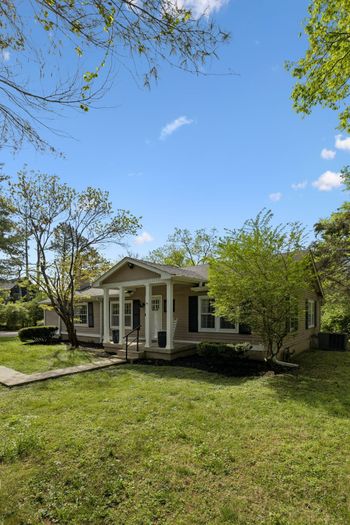
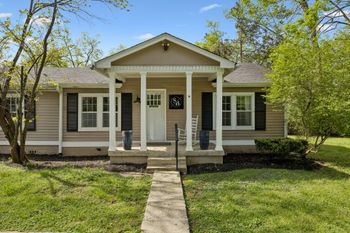
Brentwood's list prices are carried by new construction and gut renovations. An original-condition house from the 1980s is a different product competing for a different buyer — usually someone who plans to renovate and is doing that math while they walk through.
That buyer exists and shows up quickly when the price reflects the condition. They disappear when it's priced against the neighbor's remodel.
How we work through the prep question:
For how the wider market has moved, see our breakdown of six years of Nashville market data.
| How the property was held | What you generally need before selling | Who signs the deed |
|---|---|---|
| In a trust | Trust documents. No probate. | Trustee |
| Joint with survivorship | Death certificate. No probate. | Surviving owner |
| Life estate deed | Death certificate. No probate. | Remainderman |
| Will, house is the main asset | Possibly muniment of title — limited proceeding, no full administration | Devisees under the will |
| Will granting power of sale | Letters testamentary | Executor |
| Will with no power of sale, or no will | Letters, and often a court order authorizing the sale | Typically every heir |
This is a map, not advice. Your attorney tells you which row you're on.
All the heirs have to be on the same page. An executor's voice alone won't close the deal if the heirs won't sign.
Where title vested in the heirs — no will, or a will without power of sale — every one of them signs the deed. One holdout stops the closing. And even when the executor has clear authority to act alone, heirs who aren't aligned find other ways to derail it: disputing the price after an offer comes in, refusing to agree on repairs, going quiet during the inspection period.
Have the hard conversation before the house goes on the market, not after somebody's under contract. Everyone agrees on the number they'd take, what gets fixed, and who's deciding. It's an uncomfortable hour that saves a failed closing.
Often yes. Depending on the will and how title was held, a house can be listed and closed while the estate is still open, with proceeds held by the attorney until probate closes. In other situations the court's instructions come first. Your probate attorney determines which applies — ask that question before you do anything else.
The estate is administered under Tennessee's intestate succession rules, and the property generally vests in the legal heirs. Practically, that means every heir has to sign to convey, and you'll likely need letters of administration and possibly a court order. It's the slowest path, and the one where family alignment matters most.
Sometimes, if the will grants power of sale or the court authorizes it. But an executor acting over the objections of the other heirs is a hard way to get to closing. In our experience the deals that fall apart aren't the ones with paperwork problems — they're the ones where the family never agreed on a number.
It depends on the estate's complexity and whether creditors surface — Tennessee's creditor claim period alone runs months. The useful point is that the estate closing and the house closing are two different dates, and they don't always have to wait on each other.
No. An executor or heir with authority to convey can sell without a broker. If you hire one, Tennessee requires them to be licensed, which brings escrow rules that protect proceeds when several heirs are involved. Most estates hire a broker for pricing and buyer vetting, not because the law requires it.
Usually not. Tennessee exempts transfers by a fiduciary administering an estate, and also exempts transfers where the owner hasn't lived in the property for three years. You provide an exemption notification instead. The exemption covers what you don't know — not concealing what you do.
Tennessee has no inheritance tax or state estate tax. Federally, inherited property generally gets a stepped-up basis to date-of-death value, so capital gains are typically figured only on appreciation after that date. Sell soon after death and the gain is often minimal. Confirm with a CPA.
Tell us what you know so far — even if that's just "there's a house and we think there's a will." We'll tell you what it's worth in its current condition, what's worth doing before it goes on the market, and what questions to bring to the attorney. No pressure to list, and no charge for the conversation.
James handles the walkthroughs, the showings, and the buyer conversations. Stephanie runs strategy, negotiation, and contracts. Two people, start to finish. No hand-offs, no assistants.
Talk with us about your situation
Or call 615-751-8913.
.png)
About James & Stephanie Crawford
James and Stephanie are Nashville natives and a husband-wife team with 500+ sales since 2003. James works boots on the ground as your REALTOR®; Stephanie, a broker, runs strategy, negotiation, and contracts. No hand-offs, no assistants — two experienced people who know Middle Tennessee and stay with you from the first walkthrough to the closing table.
Nesting Realty | 615-751-8913 | NestingInNashville.com
Equal Housing Opportunity. This article is general information, not legal, tax, or financial advice. Probate requirements, title authority, recording costs, tax obligations, and disclosure exemptions depend on your specific circumstances — confirm them with a licensed Tennessee attorney, CPA, or title/closing officer. Broker fees and commissions are fully negotiable and not set by law.