Open: Sun 2:00 PM - 4:00 PM





For about a decade, the “move to Nashville” momentum was powered by two things: relatively affordable land and historically low interest rates. In early 2026, the math has changed. Nashville isn’t the “bargain of the South” anymore—but we have become something that matters just as much when you’re making a long-term move: stable.
Inventory is up compared to the ultra-tight years, and that has quietly returned something buyers haven’t had in a while: leverage. Not “steal-a-house” leverage—more like “negotiate repairs, ask for concessions, and make a sane decision” leverage.
The frenzy years trained buyers to move fast and compromise hard. But a more balanced market changes the strategy:
If you want a real-world example of how the market has changed, here’s a stat-driven read that surprises people: Last Year, Nearly Half of Nashville Home Sellers Failed on Their First Try.
“Is it worth it?” usually isn’t just a price question. It’s a lifestyle + logistics + resale question. Here are the three buckets we use with relocation clients:
You’ll see a lot of relocation content comparing Nashville to major tech markets. Some of that is helpful, but it can also blur what’s unique here. Nashville has strong job growth and ongoing in-migration, but the bigger story in 2026 is that you have more room to negotiate and be selective than you did a few years ago.
If you like looking at the numbers month-to-month, check current local data here: Nashville Real Estate Market Reports.
If you’re moving with kids—or you’re buying in an area where schools are a major value driver—rezoning talk isn’t “background noise.” It can change buyer demand (and resale value) faster than people expect.
You don’t need to panic. You do need a plan: understand school clusters, know what’s historically happened in similar boundary shifts, and buy a home you’d still feel good about if the exact assignment changes.
Here’s our deeper guide: Nashville School Districts Guide: Best Areas to Buy.
“Best neighborhood” is usually the wrong question. The right question is: best fit for your commute, budget, and lifestyle. A few patterns we’re seeing in 2026:
Nashville is still worth it in 2026—but it’s no longer a “buy anything and watch it soar” market. Today, the wins come from making smart location choices, understanding school and commute realities, and negotiating with a clear plan.
If you’re early in the process, this is a solid read to set expectations: Moving to Nashville in 2026: 15 Things You Need to Know Before You Move.
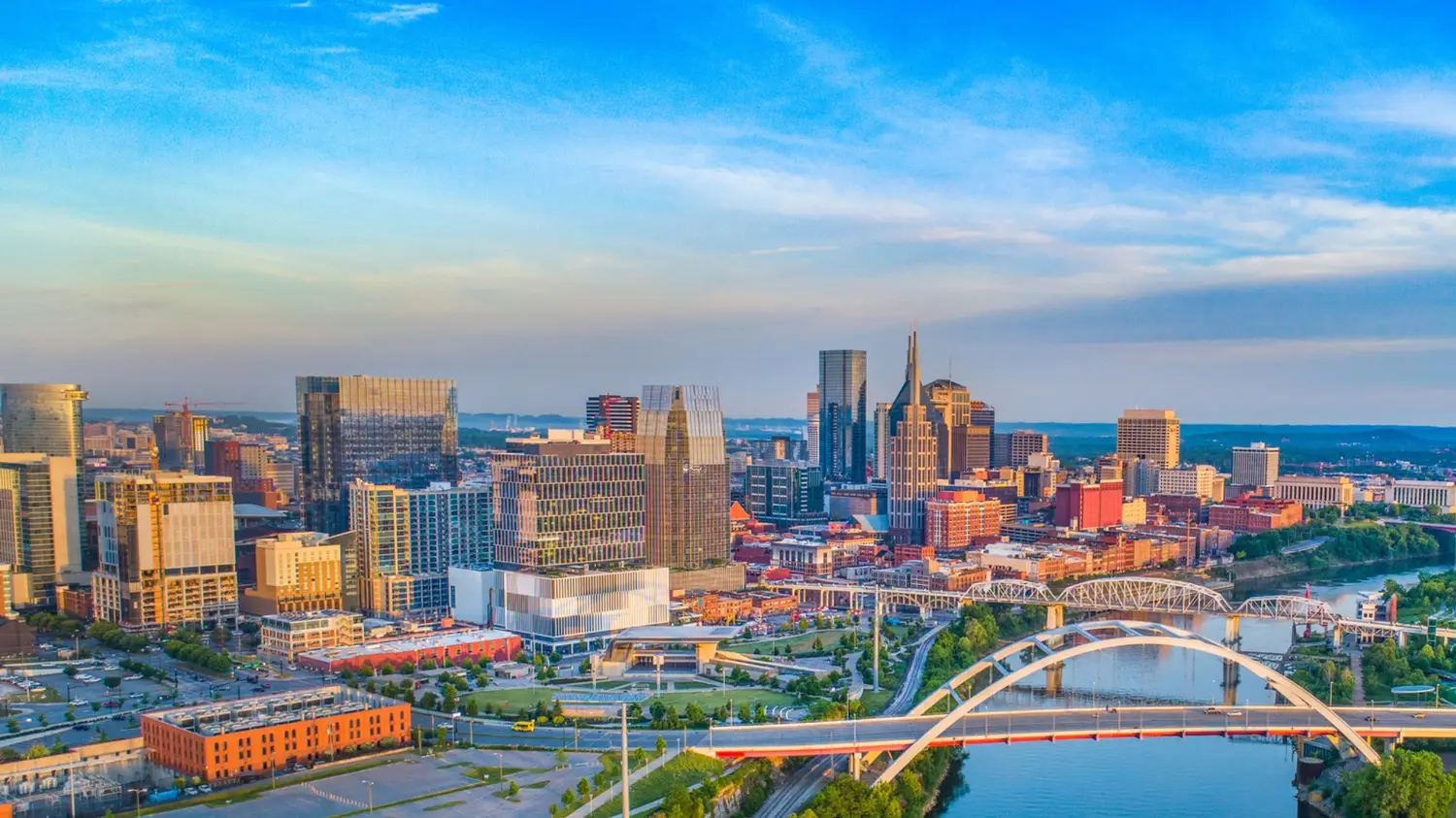
If you are considering moving to Nashville, you’re certainly not alone. Greater Nashville continues to attract new residents from across the country, drawn by job opportunities, culture, and a lifestyle that still feels more approachable than many major metros.That said, moving to Nashville in 2026 looks different than it did just a few years ago. The city is still growing, but housing costs, tr
.png)
People don’t move to Nashville looking for “the best neighborhood.” They move looking for the right fit—for their commute, their budget, their stage of life, and how they actually live day to day.This guide reflects how buyers are choosing neighborhoods in 2026, not 2016. We’ll cover city neighborhoods and suburbs, what’s changed in the last few years, and which areas consistently rise to the top
School districts remain one of the primary drivers of real estate value in Middle Tennessee. As we move through 2026, the conversation has shifted from just "test scores" to "long-term stability." With Nashville’s rapid growth, school boundaries are shifting, and new campuses are opening to keep pace with the population boom.As Nashville natives and Realtors with over 20 years of experience, we h

If you’ve asked ChatGPT (or another AI tool) a real estate question lately, you’re not alone. Buyers are using AI to understand the process faster. Sellers are using it to sanity-check pricing, prep, timing, and negotiation strategies. And honestly? That can be a good thing.The catch: AI is great at general education… but it doesn’t know your street, your floorplan, your school zone, your neighbo