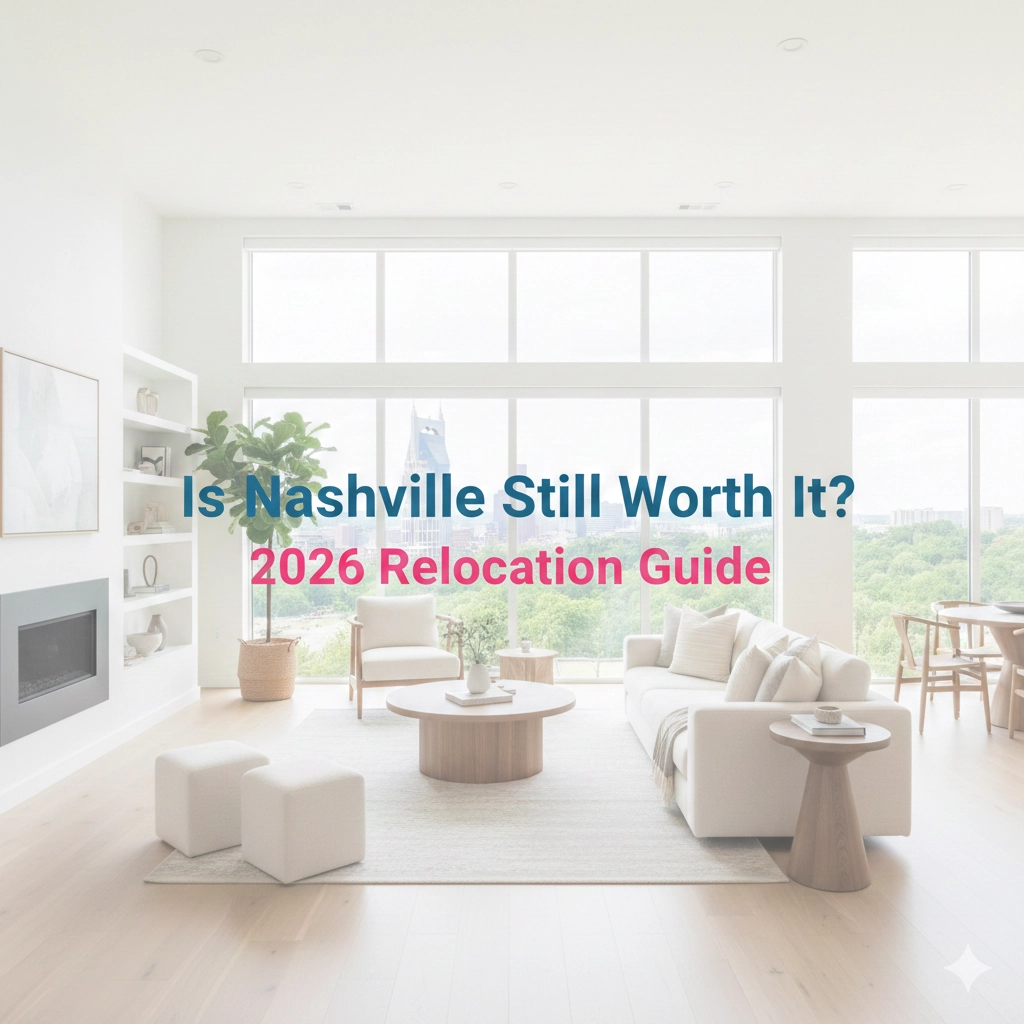
Moving to Nashville in 2026: What to Know Before Making the Move
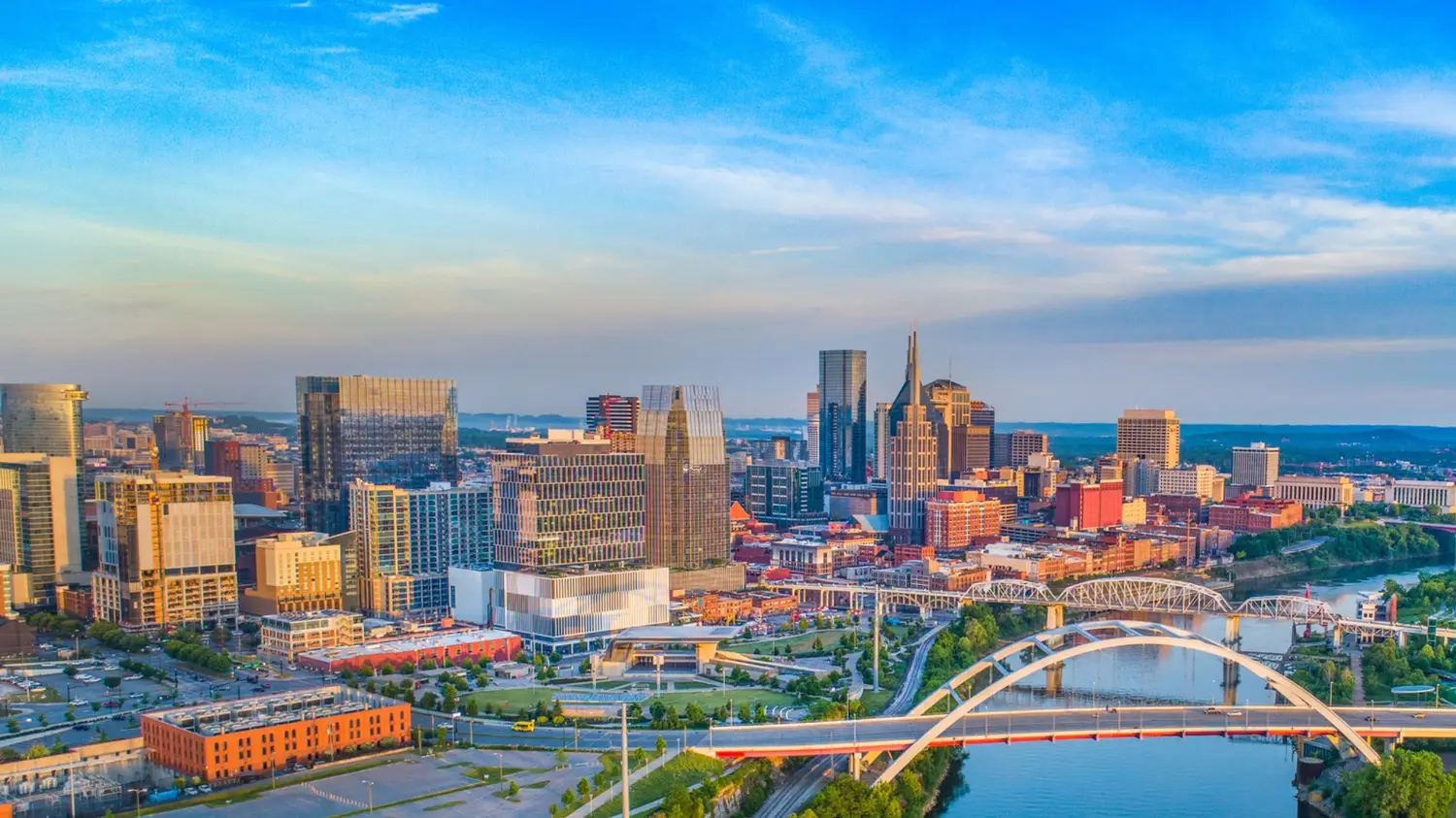
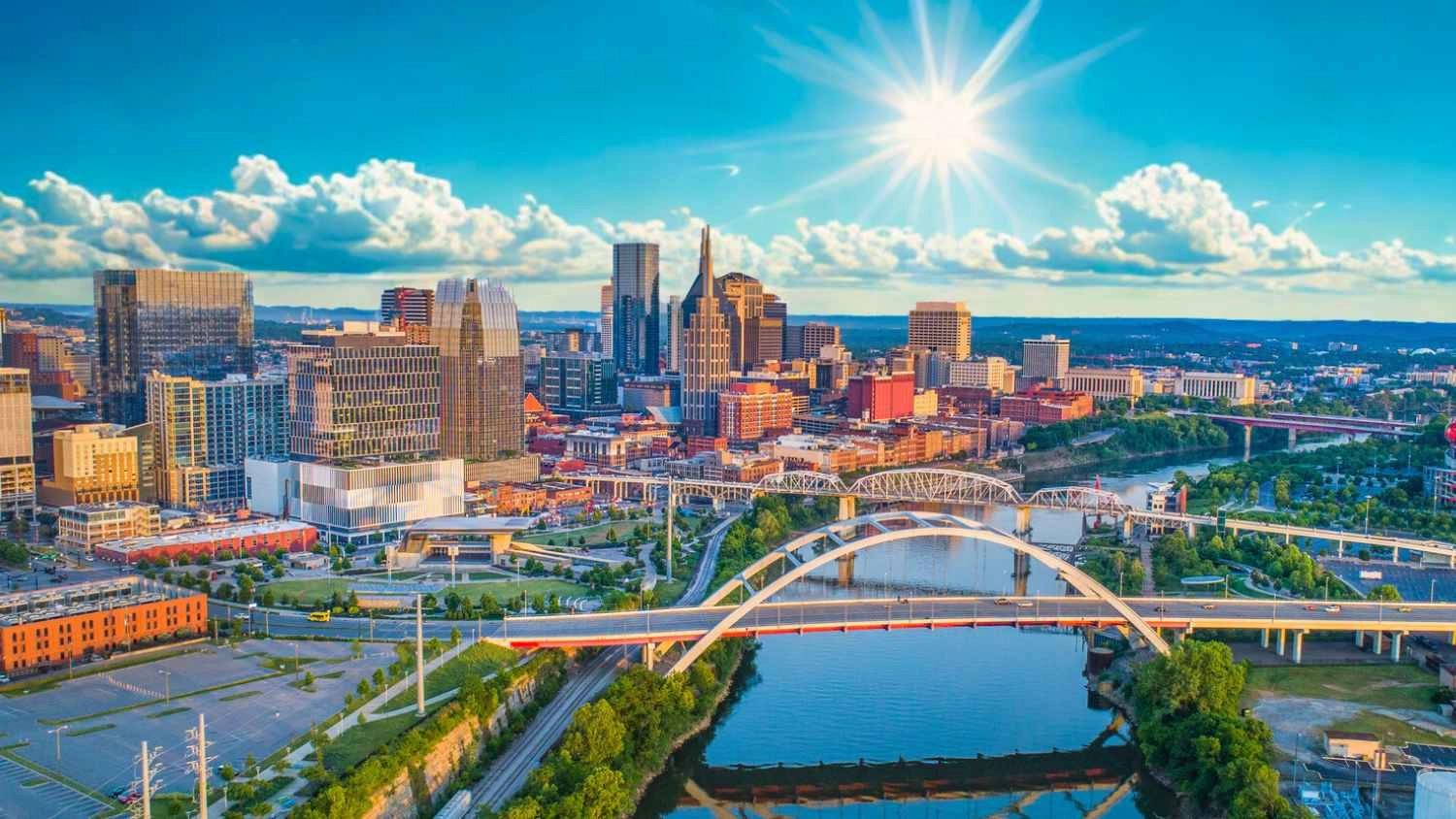
If you are considering moving to Nashville, you’re certainly not alone. Greater Nashville continues to attract new residents from across the country, drawn by job opportunities, culture, and a lifestyle that still feels more approachable than many major metros.
That said, moving to Nashville in 2026 looks different than it did just a few years ago. The city is still growing, but housing costs, traffic patterns, and buyer expectations have evolved. Understanding what’s changed — and what hasn’t — can make the difference between a smooth transition and a frustrating one.
If you’re serious about relocating and want guidance tailored to your timeline and priorities, we help buyers and movers make sense of Nashville’s neighborhoods, housing options, and market realities without pressure or hand-offs.
Still have questions after reading? You can always reach out to James & Steph or call (615) 751-8913.
Why Nashville?
Nashville regularly appears on national lists highlighting quality of life, job growth, and livability, including publications like Forbes, Money Magazine, and U.S. News & World Report. But rankings only tell part of the story.
What many people don’t fully appreciate until they arrive is how deeply creativity — especially music — is woven into everyday life. From neighborhood venues and songwriter rounds to landmarks like the Grand Ole Opry and the Ryman Auditorium, live music isn’t just entertainment here — it’s part of the city’s identity.
15 Reasons People Fall in Love with Nashville Living
1. Southern Hospitality Isn’t a Slogan — It’s Daily Life
Picture grabbing coffee at Barista Parlor in East Nashville and running into someone you met at a neighborhood gathering a few weeks earlier. You may not remember names yet, but the conversation picks up easily — like you’ve known each other longer than you actually have.
That’s the Nashville way. Despite its growth, the city still carries a small-town feel in everyday interactions. Newcomers often comment on how approachable people are — neighbors wave, conversations start easily, and community forms faster than expected.
We’ve worked with clients relocating from cities like Boston and Chicago who were genuinely surprised by how friendly daily life feels here. A few months in, they’re usually the ones initiating conversations and waving from the porch themselves.
2. The People Truly Make the Place
Nashville attracts a wide mix of creatives, entrepreneurs, healthcare professionals, and people looking for a more balanced pace of life. That diversity shows up in neighborhoods across the region and contributes to a culture that feels welcoming rather than competitive.
Communities like Franklin, just south of Nashville, frequently appear on national “best places to live” lists — but the real appeal comes from the people who live there. Local events, school communities, and neighborhood organizations make it easier to feel connected.
For many people relocating from the Northeast or Midwest, daily interactions here feel noticeably different. Eye contact, casual conversations, and simple friendliness are part of everyday life — and over time, that sense of connection becomes one of Nashville’s biggest draws.
If you’re a dog owner, you’ll quickly notice how social Nashville’s parks can be. Spots like Centennial Park, Shelby Bottoms, and Two Rivers Park often double as informal gathering places where friendships form naturally.
3. Career Opportunities Across Multiple Industries
Nashville’s economy is broader than many people expect. While music and entertainment remain important, the region is also a major hub for healthcare, education, logistics, and technology. That diversity helps keep the local job market resilient through different economic cycles.
The ongoing expansion of Nashville International Airport (BNA) has improved direct access to cities across the country, making business travel easier and helping attract companies that want national reach without the cost of a coastal headquarters.
Middle Tennessee is often referred to as the “Healthcare Capital of the U.S.,” with hundreds of healthcare-related companies in the region, including HCA Healthcare and Vanderbilt University Medical Center. Healthcare remains one of the area’s largest and most stable employment sectors, which continues to draw professionals moving to Nashville for work.
The city’s economy extends well beyond music and tourism. Major employers across finance, healthcare, automotive, and technology have established long-term roots here. Companies such as AllianceBernstein, Amazon, Nissan North America, Bridgestone Americas, and Asurion have helped shape a more diversified, resilient job market.
Nashville’s tech presence continues to grow as well, particularly in areas like The Gulch, Germantown, and along the East Bank. Large-scale projects, including the planned Oracle campus, reflect the city’s long-term investment in innovation and infrastructure. That entrepreneurial energy also makes Nashville an appealing place for people launching their own businesses.
4. A Food Scene That Goes Far Beyond Hot Chicken
While Nashville hot chicken helped put the city on the culinary map — and classics like Prince’s and Hattie B’s are still worth experiencing — the food scene today is far broader and more sophisticated.
From slow-smoked barbecue at Martin’s Bar-B-Que Joint to seasonal, ingredient-driven menus at Rolf & Daughters and longtime favorites like Biscuit Love, Nashville offers a depth of dining options that surprises many newcomers.
East Nashville alone ranges from elevated dining at Folk to casual staples like The Pharmacy Burger Parlor & Beer Garden. For a memorable experience, restaurants such as The Catbird Seat and Audrey offer thoughtful, chef-driven menus that rival much larger cities. We’re longtime fans of chef Deb Paquette at Etch and Etc, whose flavors reflect Nashville’s creative edge.
5. A Craft Beer Scene with Real Personality
Nashville’s craft beer culture mirrors the city’s creative spirit. Breweries like Yazoo Brewing Company, Tennessee Brew Works, Bearded Iris Brewing, Southern Grist, and Jackalope Brewing Company offer everything from approachable classics to experimental styles.
Many taprooms double as neighborhood gathering spots, often hosting live music or community events — another example of how social life in Nashville tends to overlap naturally.
6. Nashville Real Estate: Value Depends on Perspective
Nashville’s popularity has undeniably influenced home prices, but value here is relative. Compared to many coastal markets, buyers are often surprised by how much space, character, and neighborhood variety they can still access.
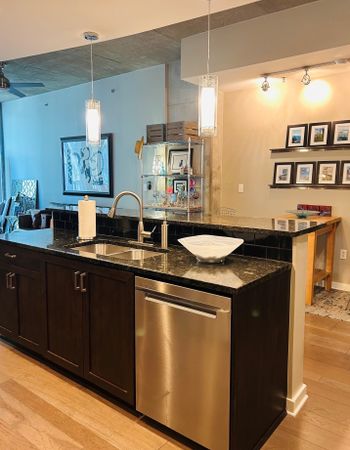
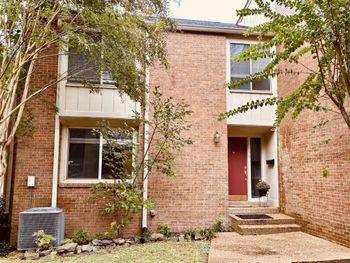
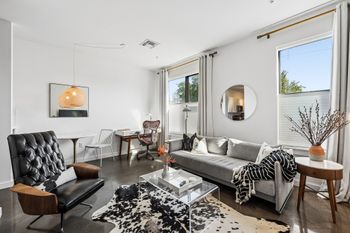
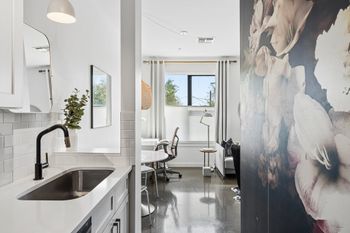
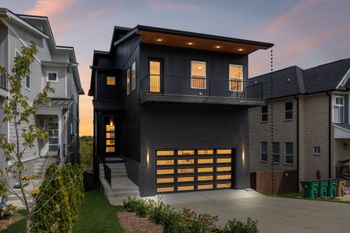
Housing options range from downtown condos and historic Germantown townhomes to family-oriented areas like Mount Juliet, Bellevue, and Hermitage. What matters most is understanding how location, property type, and long-term plans intersect — especially for buyers relocating from higher-cost regions.
Many clients moving from California, New York, or Washington, D.C. are struck by how much flexibility Nashville offers once they understand the market’s nuances.
7. Four Distinct Seasons Without the Extremes
Nashville experiences all four seasons, but generally avoids the prolonged extremes found in many parts of the country. Spring and fall are especially popular for their mild temperatures and outdoor-friendly days.
Summers are warm and humid, while winters tend to be short, with only occasional light snow. For those relocating from colder climates, the ability to enjoy outdoor activities year-round is a welcome change.
8. Education Options Across the Board
Education is a major draw for many families moving to Nashville. Metro Nashville Public Schools offers magnet programs and specialized academies, alongside a range of charter and private school options, including Montgomery Bell Academy, Harpeth Hall, and University School of Nashville.
Higher education is anchored by Vanderbilt University, along with institutions such as Belmont University, Tennessee State University, Lipscomb University, and Fisk University. This concentration of colleges and universities contributes to Nashville’s cultural and economic depth.
9. Arts and Culture Beyond the Obvious
While music takes center stage, Nashville’s broader arts scene deserves attention. The Frist Art Museum hosts rotating national and international exhibitions, while venues like the Tennessee Performing Arts Center and the Schermerhorn Symphony Center bring Broadway, ballet, and symphonic performances downtown.
Public art, galleries, and neighborhood events — including First Saturday Art Crawls — give newcomers a fuller picture of the city’s creative range beyond Broadway.
10. Live Music Is Part of Daily Life
Live music is everywhere in Nashville, from Lower Broadway’s historic venues like Tootsie’s Orchid Lounge, Robert’s Western World, and The Stage, to intimate listening rooms such as the Bluebird Cafe.
Iconic spaces like the Ryman Auditorium and the Grand Ole Opry — still broadcasting weekly from Donelson — remain central to the city’s identity. At the same time, smaller venues across East Nashville and beyond help keep the scene grounded and accessible.
11. Nightlife: Something for Everyone
Nashville’s nightlife isn’t just Broadway. Beyond the neon, you’ll find sophisticated rooftop bars, speakeasy-style cocktail lounges, and laid-back neighborhood spots. If you like a classic cocktail done well, The Patterson House is a longtime favorite.
Neighborhood vibe matters here. The Gulch and Midtown tend to attract young professionals and visitors with higher-energy venues like L.A. Jackson and Virago. East Nashville leans more eclectic and local, while Germantown blends historic charm with a strong restaurant-and-bar scene.
For a uniquely Nashville experience, Santa’s Pub is exactly what it sounds like: a beloved, no-frills spot with surprisingly entertaining karaoke. And the Station Inn remains a classic for authentic bluegrass in an unassuming setting — even as the neighborhood around it continues to evolve.
12. Sports: Nashville Has Become a Real Sports Town
Over the past decade, Nashville has grown into a genuine sports city with fans who show up. The Tennessee Titans play at Nissan Stadium along the Cumberland River, and game days have a distinct “whole-city” energy.
The Nashville Predators pack Bridgestone Arena with one of the louder crowds in the NHL — and yes, the catfish tradition is still a thing.
Soccer has also become a big part of the city’s identity. Nashville SC plays at GEODIS Park in Wedgewood-Houston, and the fan base has grown quickly.
College sports fans can catch SEC action with the Vanderbilt Commodores or support Tennessee State University. For affordable family fun, the Nashville Sounds play at First Horizon Park.
13. Water Recreation: Lakes, River Access, and Greenways
Nashville sits on the Cumberland River, and being near water is a bigger part of local life than many newcomers expect. Both Percy Priest Lake and Old Hickory Lake are close enough for easy weekend access. Areas like Hendersonville, Old Hickory, and Lebanon offer a range of lake-oriented lifestyles, from boating communities to quieter coves.
Warm months bring paddle boarding, fishing, and plenty of time on the water. Some areas have a more social “weekend scene,” while others are noticeably more laid back — which is good to know before choosing where to live.
One of Nashville’s best quality-of-life features is its growing network of greenways. The Shelby Bottoms Greenway follows the Cumberland River for miles of scenic biking and walking, and the Stones River Greenway connects Percy Priest Lake to key parts of the city.
14. Mountain Getaways Within a Weekend Drive
When locals want a mountain reset, the Great Smoky Mountains National Park is roughly a three-hour drive east. Towns like Gatlinburg and Pigeon Forge make easy basecamps for hiking, fall foliage, and family-friendly trips.
In winter, Ober Mountain offers skiing, snowboarding, and snow tubing. For warm-weather adrenaline, whitewater rafting on the Ocoee River is a fun day trip.
Closer to home, the Highland Rim surrounding Nashville is full of rolling hills, trails, and waterfalls. Fall Creek Falls State Park, about two hours away, is one of the most popular options for a quick outdoor weekend.
15. Golf and Outdoor Recreation Nearly Year-Round
With a wide mix of public and private courses, golf is a year-round hobby for many Nashville residents. Courses are often playable even in winter, with only occasional weather interruptions.
Gaylord Springs Golf Links winds along the Cumberland River, while the Hermitage Golf Course offers two championship layouts that have hosted major events.
For a country club experience, Nashville ranges from the historic Belle Meade Country Club to semi-private options like Richland Country Club and The Grove.
We’ve heard the same thing from plenty of relocating clients: winter doesn’t have to mean “stuck inside” here — and that’s a big quality-of-life shift if you’re coming from colder climates.
Making the Move to Nashville: Practical Considerations
Nashville Neighborhoods: Finding Your Best Fit
Nashville’s neighborhoods have very different personalities — and your day-to-day experience can change a lot depending on where you land:
- East Nashville: Creative, eclectic, and community-driven, with a mix of older homes and newer builds.
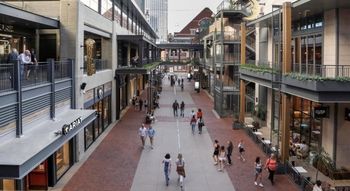
- The Gulch: Urban, walkable, and condo-centric — great for people who want a “lock-and-leave” lifestyle.
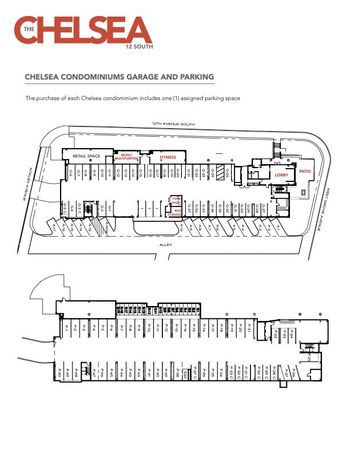
- 12 South: A charming, walkable pocket known for local shopping, restaurants, and classic Nashville character.
- Germantown: Historic streetscape with a strong restaurant scene and easy downtown access.
- Sylvan Park: Established, neighborly, and popular for its bungalows and central location.
- Green Hills: A convenient, residential area with strong school options and Nashville’s best-known shopping hub.
- The Nations: A fast-evolving area with a mix of new construction and older homes, plus a growing local scene.
- Brentwood/Franklin: Suburban living with excellent amenities and a wide range of housing — often a fit for buyers prioritizing schools and space.
We love helping newcomers match lifestyle priorities (commute, walkability, school zones, and “vibe”) with the right area — because in Nashville, those details matter more than most people expect.
Nashville Real Estate Market Insights
Nashville has shifted from the frantic pace of the early 2020s into a market where buyers can be more thoughtful — and where micro-markets matter. Some neighborhoods and price points still move quickly, while others offer real room for negotiation depending on condition, pricing, and location.
- Inventory varies by neighborhood. One area can feel competitive while another feels calm, even in the same week.
- Pricing strategy matters. Homes that are positioned well tend to move; homes that “test the market” often sit.
- Terms matter again. Inspections, repair negotiations, and credits are back in play in many situations.
- Property type changes the math. Condos, townhomes/HPRs, and single-family homes can behave very differently.
If you’re relocating and deciding whether to rent first or buy right away, this decision guide is a helpful next step: Should I Buy Now or Wait in Nashville?.
Pro Tip: Strong lending matters here — especially if you’re buying while relocating. We’ve had consistently great experiences with Mary Littleton at Accurate Mortgage, who understands local nuances and communicates clearly through the process.
County Considerations: Davidson and Beyond
“Nashville” can mean different things depending on where you are. Nashville is in Davidson County, and the city/county government is consolidated as Metro Nashville. But many areas with a “Nashville” mailing address may actually sit in neighboring counties — and that affects real-world details.
County lines can impact:
- Property tax rates
- School districts (zoning follows county lines, not mailing addresses)
- Services like trash pickup and municipal coverage
- Building codes and permitting
If you’re comparing areas across county lines (Williamson, Wilson, Rutherford, or Sumner), we’ll help you understand the tradeoffs before you commit — so you don’t end up surprised after closing.
Relocating Without a Job?
Some buyers move to Nashville with a signed offer letter in hand — others relocate because a spouse is transferring, they’re changing industries, or they’re moving first and sorting work second. If that’s you, the key is being realistic about timeline, housing costs, and flexibility while you settle in.
Nashville’s economy is broad enough that many newcomers do find their footing quickly, but the best plan depends on your situation: savings cushion, remote-work options, and how flexible you are on neighborhood and commute.
Essential Nashville Homebuying Partners
Financing: Mary Littleton at Accurate Mortgage — knowledgeable, responsive, and familiar with local programs and timelines.
Home Inspections: House Call Home Inspections — especially valuable in a market with both historic homes and new construction.
Title Services: Rudy Title — a smooth closing experience and excellent communication throughout.
Your Nashville Journey Starts Here
Nashville combines big-city amenities with a neighborhood feel in a way few places do. If you’re relocating, the biggest win is getting clear on your priorities — location, commute, property type, and timeline — and then matching those to the right area (not just what looks good on a map).
James and Stephanie Crawford are lifelong Nashvillians who’ve spent over 20 years helping buyers and sellers across Middle Tennessee navigate major moves with steady, practical guidance.