New - 3 Hours Ago
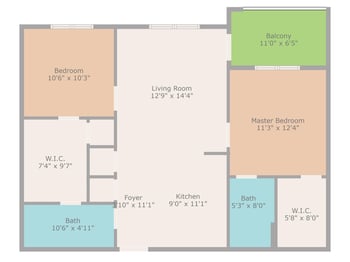
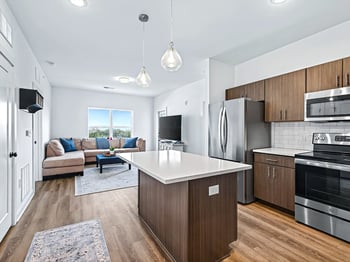

$295,000
Active
2
Beds
2
Baths
914
Sqft
0.02
Acres
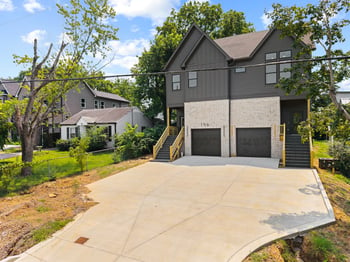
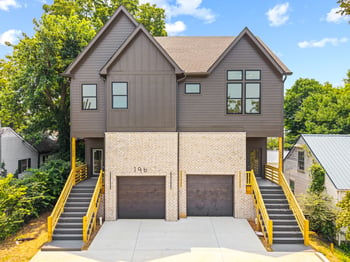
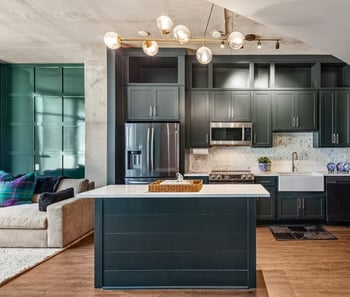
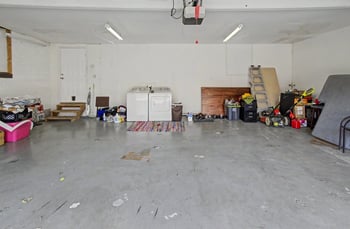
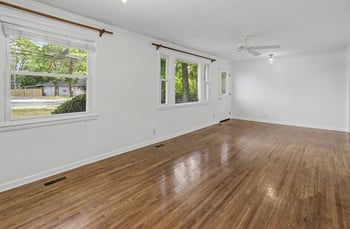
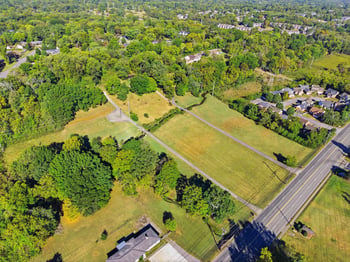
1540 Lebanon Pike #407, Nashville, TN 37210
MLS#: 3615437



In today’s market, the real work happens before you list: defensible pricing, fewer inspection surprises, and a plan that survives the appraisal.
Back in October 2025, I wrote about a trend we were seeing more often in Nashville: contracts falling apart after they were already signed. If you missed that post, it’s here: Nashville Contract Cancellations (October 2025)
As we head into the 2026 spring market, the picture is clearer. What looked like a temporary spike has started to look more like a baseline—especially when a home is priced optimistically or has “quiet” condition issues that buyers don’t want to inherit.
A recent national report from WAV Group frames this bluntly: contract cancellations tend to rise when sellers push past what the neighborhood supports—especially on a price-per-square-foot basis—and when deferred maintenance shows up late in the process. Read the WAV article
A signed contract in Nashville isn’t a sure thing in 2026 because buyers have tighter budgets, inspections are less negotiable, and lenders are policing price more aggressively. When pricing or condition is even slightly out of step with the neighborhood, deals often stall at inspection or appraisal—and many buyers now walk instead of renegotiating.
The biggest misconception I hear from sellers is that cancellations are mostly about flaky buyers or cold feet.
In reality, most canceled contracts follow the same pattern:
Buyers haven’t disappeared. They’ve gotten disciplined.
In earlier years, overpricing usually meant one thing: you waited longer and negotiated later.
That math doesn’t work as well now. Today’s buyers decide fast—and they move on fast. If a home doesn’t get meaningful traction early, the assumption isn’t that it’s “waiting for the right buyer.” It’s that something is off.
What sellers often don’t realize:
Once a listing feels “stale,” everything downstream becomes harder: inspections get tougher, appraisal gaps widen, and buyers feel less invested in saving the deal.
Even when you find a buyer who’s willing to stretch, lenders usually aren’t.
The Nashville “reality number” sellers should understand:
WAV Group uses a simple example: if the neighborhood is selling around $268 per square foot, pricing meaningfully above that tends to stall—while pricing slightly under can create urgency and competition. :contentReference[oaicite:1]{index=1}
Locally, we often see that same concept show up as a rough band (not a hard rule) in many mid-range neighborhoods: when pricing pushes past what recent comps support without a clear reason why, the appraisal is where momentum often quietly dies.
One of the biggest shifts we’ve seen is how buyers respond to deferred maintenance. In the past, inspection findings often led to credits or repairs.
Now, many buyers simply walk—especially if the home feels like it’s going to require immediate spending after closing.
A “to-do list” home is no longer just a discount; it’s often a deal-killer. Buyers stretching to afford today’s payments frequently don’t have an extra $20,000 sitting around for a roof, HVAC, electrical surprises, or moisture fixes in month one.
The listings that close cleanly (without weeks of repair drama or appraisal panic) tend to share a few consistent traits:
In 2026, “clean and functional” is the new premium.
This isn’t about fear. It’s about strategy.
A signed contract still matters—but in today’s market, the real leverage is what you do before you list: pricing defensibly, understanding buyer tolerance, and removing the friction points that quietly kill deals.
If you’re planning to sell this spring, I’m offering a simple Market Readiness Walk-Through. I’ll point out the pricing and condition “friction points” that most often cause buyers—or lenders—to walk, before you ever go to market.
Request a Market Readiness Walk-ThroughMost cancellations tie back to one of three things: the inspection reveals more “to-do” items than the buyer expected, the appraisal comes in low, or the price feels out of step with recent neighborhood comps once the emotion wears off.
Sometimes—but the later you correct, the more buyer confidence erodes. A home that sits can invite tougher negotiations and appraisal scrutiny. The cleanest closings usually start with pricing that is defensible from day one.
It’s less about finishes and more about predictability. Buyers can live with dated countertops; they struggle with surprise systems issues (roof, HVAC, moisture, electrical). If it reads like a project, many buyers now opt out instead of negotiating.
It depends on the home, price point, and your goals. For some sellers, it’s a smart way to avoid late surprises. For others, targeted repairs and documentation may be enough. A quick walk-through can help decide which path makes the most sense.
Yes—because it explains the “why” behind modern cancellations (pricing and deferred maintenance). Just remember: national frameworks become useful when they’re translated to your specific neighborhood and comps.
About the authors: James & Stephanie Crawford are lifelong Nashvillians and full-time Realtors who’ve helped over 500 families buy and sell homes across Middle Tennessee. Clients work directly with James and Stephanie from start to finish for steady guidance and truly hands-on representation.
SEO keywords: Nashville contract cancellations, Nashville home appraisal issues, pricing strategy Nashville sellers, deferred maintenance inspection Nashville, sell my house Nashville 2026, Nashville price per square foot, listing strategy Nashville, Nashville spring market 2026
SEO meta tags: Nashville contract cancellations, Nashville home appraisal issues, pricing strategy Nashville sellers, deferred maintenance inspection Nashville, sell my house Nashville 2026, Nashville price per square foot, listing strategy Nashville, Nashville spring market 2026

Pricing your Nashville home correctly is the single biggest factor in whether it sells — and how much you actually net.In today’s market, pricing isn’t about optimism or leaving “wiggle room.” It’s about understanding how buyers behave right now and positioning your home accordingly from day one.We see this constantly across Middle Tennessee: good homes that should sell quickly end up sitting, g

If you’re a Nashville homeowner planning a move, this is usually the biggest (and most stressful) question: Should you sell first, or buy first? There’s no universal right answer — but there are very clear wrong ones, especially in today’s market.We’ve helped hundreds of Nashville homeowners navigate this exact decision, and the best choice almost always depends on your timing, finances, and risk
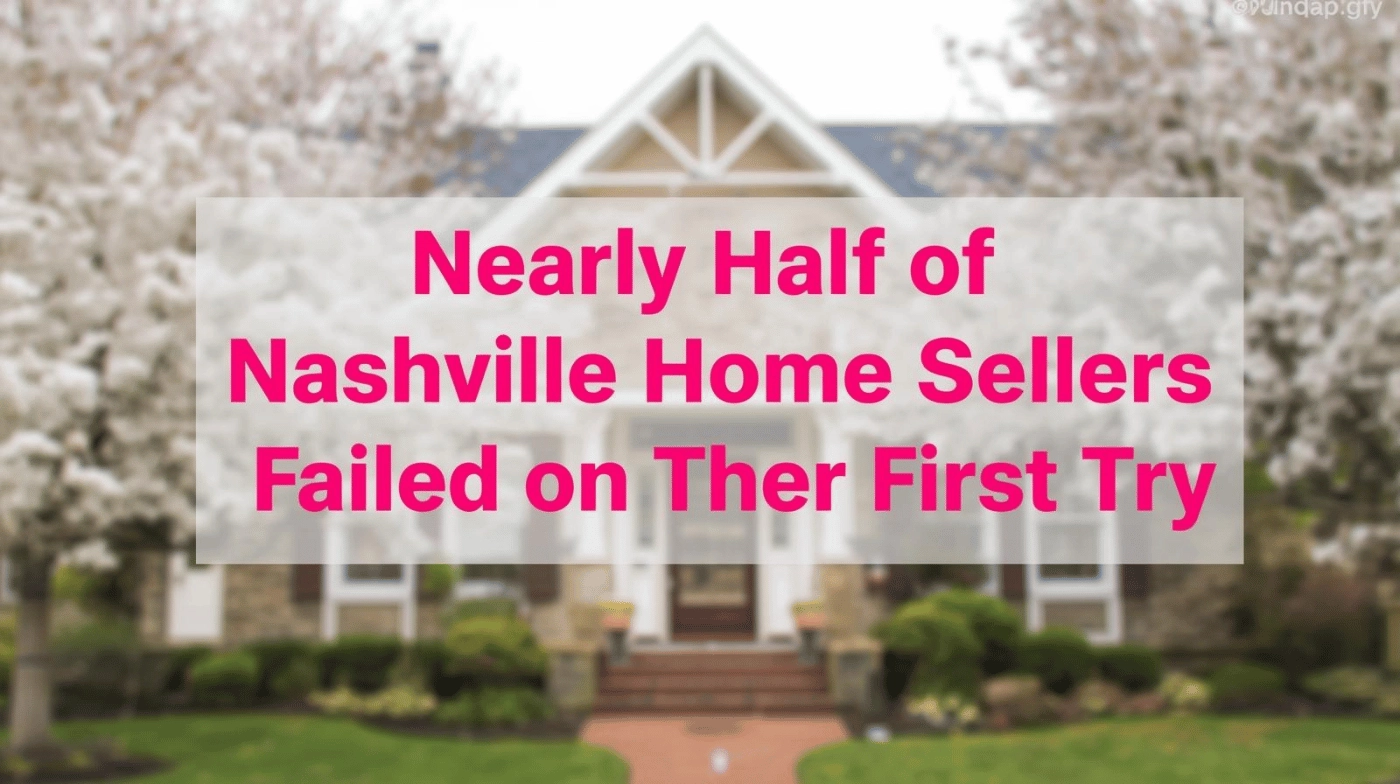
Short version: In 2025, listing a home in Nashville did not guarantee a sale. In fact, about half of sellers didn’t sell on their first attempt.We analyzed Realtracs data for existing-home listings only in Davidson County for Q1 and Q2 of 2025—no new construction, no to-be-built properties. What the data revealed isn’t dramatic or scary. It’s something more useful than that.2025 was an honest mar

If you’ve asked ChatGPT (or another AI tool) a real estate question lately, you’re not alone. Buyers are using AI to understand the process faster. Sellers are using it to sanity-check pricing, prep, timing, and negotiation strategies. And honestly? That can be a good thing.The catch: AI is great at general education… but it doesn’t know your street, your floorplan, your school zone, your neighbo