New - 3 Hours Ago

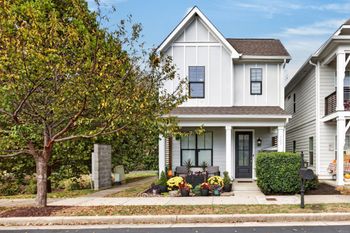





If you’re a Nashville homeowner planning a move, this is usually the biggest (and most stressful) question: Should you sell first, or buy first? There’s no universal right answer — but there are very clear wrong ones, especially in today’s market.
We’ve helped hundreds of Nashville homeowners navigate this exact decision, and the best choice almost always depends on your timing, finances, and risk tolerance — not headlines or generic advice.
For many Nashville homeowners, selling first is still the safest and least stressful option — especially if you need the equity from your current home to purchase the next one.
Selling first often makes sense if:
In today’s Nashville real estate market, buyers with no home-sale contingency still have a meaningful advantage — especially in competitive price ranges. Selling first gives you certainty around budget, timing, and leverage.
Buying before you sell isn’t wrong — but it needs to be done intentionally. This route usually works best for homeowners who are financially flexible and value convenience over certainty.
Buying first may make sense if:
The risk? If your current home takes longer to sell than expected, you’re suddenly managing extra stress, additional costs, and reduced negotiating power.
Nashville is not a single market — it’s dozens of micro-markets. A home in East Nashville behaves very differently from one in Bellevue, Donelson, Brentwood, or Mount Juliet.
That’s why timing mistakes often happen here. Homeowners assume their property will sell as quickly as the last one on their street, without accounting for:
This is where local, hands-on guidance matters most.
One overlooked factor in this decision is how much equity you keep after selling. The more you retain, the more flexibility you gain — whether that’s covering a bridge period, strengthening your offer, or reducing risk.
Many of our seller clients choose our 2% listing fee option specifically because it preserves capital during a move. Less friction on the sale side often opens more options on the buy side.
The biggest mistake? Trying to time everything perfectly without a plan.
Successful move-up and relocation clients don’t guess — they:
There is rarely one “correct” order — but there is almost always a smart one.
If you value certainty and leverage, selling first usually wins. If you value convenience and have financial flexibility, buying first can work — with guardrails.
What matters most is choosing a strategy that fits your life, not forcing yourself into a one-size-fits-all answer. And we can help you figure that out.
Lifelong Nashvillians James and Stephanie Crawford have spent over 20 years helping homeowners navigate moves like this with direct, hands-on representation — no assistants, no hand-offs, and no pressure-driven advice.

How much does it actually cost to sell a home in Nashville?Most sellers budget for commission, but that’s only part of the story. In today’s market, the real cost includes preparation, concessions, and strategic pricing decisions that directly impact your bottom line.If you’re thinking about selling — or quietly running the numbers — this breakdown will help you understand what sellers are reall
Pricing your Nashville home correctly is the single biggest factor in whether it sells — and how much you actually net.In today’s market, pricing isn’t about optimism or leaving “wiggle room.” It’s about understanding how buyers behave right now and positioning your home accordingly from day one.We see this constantly across Middle Tennessee: good homes that should sell quickly end up sitting, g

Yes, if you price it to the market.In July 2026, 2,691 single-family homes closed across the Middle Tennessee counties we work. Half of them went under contract inside 15 days. The average was 31.That gap between 15 and 31 is the entire answer to your question, and it has almost nothing to do with the market.Between July 2025 and June 2026, 4,906 single-family homes with a Nashville address close
This is a question many Nashville sellers worry about—but rarely ask out loud.What actually happens if a home sits on the market longer than expected? And more importantly, what options do sellers really have when that happens?The good news: a home not selling doesn’t mean something is “wrong” with it. In most cases, it means the strategy needs adjusting.In the current Nashville market, a listing