

DADUs in Nashville: The 2026 Guide to Detached Accessory Dwelling Units
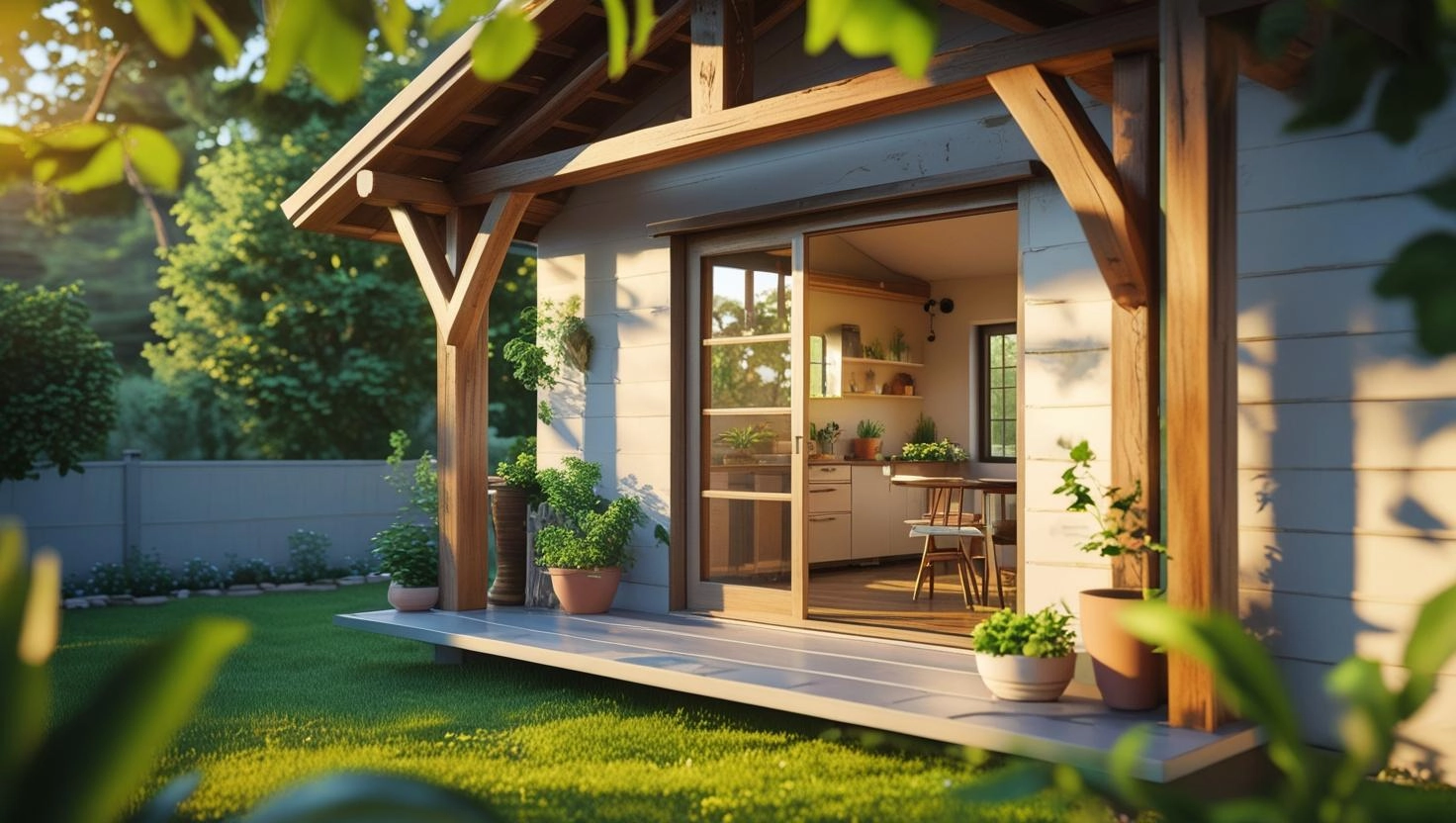
Detached Accessory Dwelling Units—commonly known as DADUs, ADUs, granny flats, or carriage houses—have long been a staple of the Nashville real estate market. However, thanks to landmark legislation passed in late 2025 (BL2025-1007), the rules for building these units have changed dramatically.
Whether you are looking to create an income stream, house a family member, or increase your property value, here is the current state of DADUs in Music City.
The Big Change: "By-Right" Construction
In the past, building a DADU usually required your property to be within a specific DADU Overlay district. As of 2026, DADUs are now permitted "by-right" in most residential areas within Nashville's Urban Services District (USD).
- No more overlays: If your base zoning allows for it and you are in the USD, you no longer need a special overlay to apply for a DADU permit.
- Alley requirement removed: Previously, many lots required alley access to qualify for a DADU. This restriction has been largely lifted to encourage housing density.
How Much Can You Build?
The 2026 standards have increased the allowable square footage for these units, making them more functional than ever:
- Lots under 10,000 sq ft: Maximum living area is now 850 sq ft (up from 700).
- Lots 10,000 sq ft or larger: Maximum living area is now 1,200 sq ft (up from 1,000).
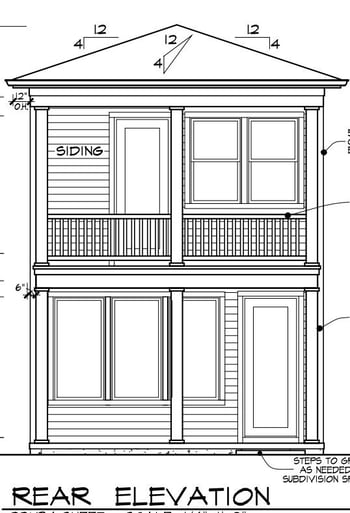
- Height Limits: Standardized at 10ft eaves for 1-story and 17ft eaves for 2-story units, provided they remain subordinate to the primary house.
Frequently Asked Questions
Does my zoning qualify?
Most R (One and Two Family) and RS (Single Family) zones within the Urban Services District now qualify. However, if you are in a Historic District (like many parts of East Nashville), you still need approval from the Metro Historic Zoning Commission to ensure the design fits the neighborhood character.
Will a DADU increase my taxes?
Yes. Because a DADU increases the total habitable square footage and overall value of your property, your tax basis will likely be adjusted accordingly.
Can I have separate utility meters?
In most cases, yes, but this requires coordination with NES and Metro Water Services. An experienced contractor can help you determine if your current electrical box can carry the additional load or if a service upgrade is required.
Planning Your Build
Before you get started, we always recommend three essential steps:
- Get a Survey: You must know your exact setbacks and utility easements.
- Consult a Pro: Work with an architect or builder familiar with Nashville's updated 2026 codes.
- Talk to an Expert Realtor: At Nesting In Nashville, we help buyers find "DADU-ready" lots and help sellers market the massive value these units add.
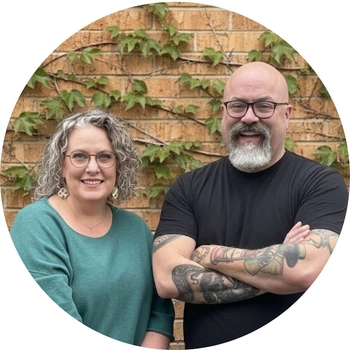
Ready to find a property with DADU potential? Contact James and Stephanie Crawford today to start your search.